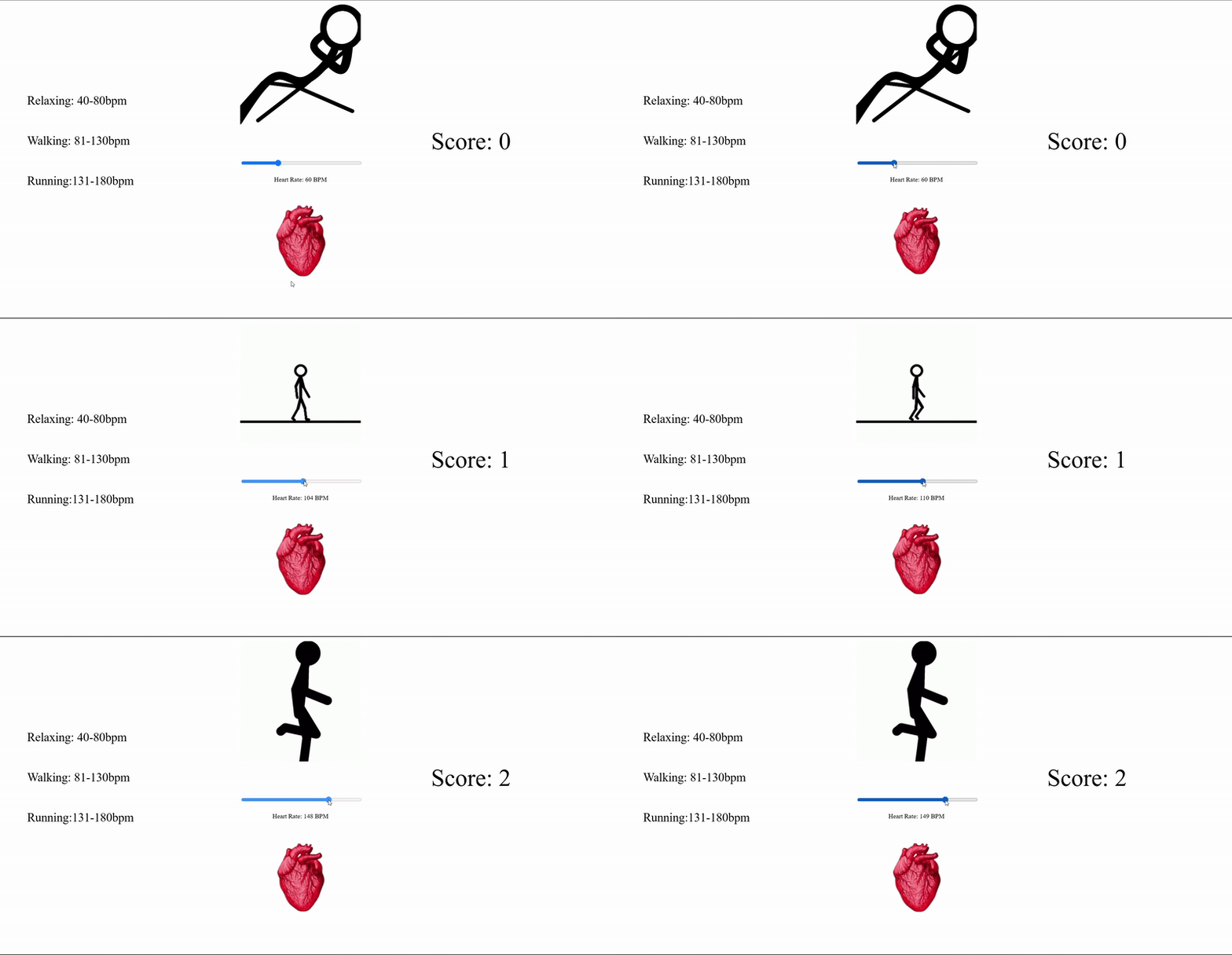
Put your hand on your chest. Feel that thumping? That's your heart! Your heart is a muscle that pumps blood containing oxygen throughout your body. You'll notice that your heart beats faster when you exercise. That's because your body needs more oxygen!
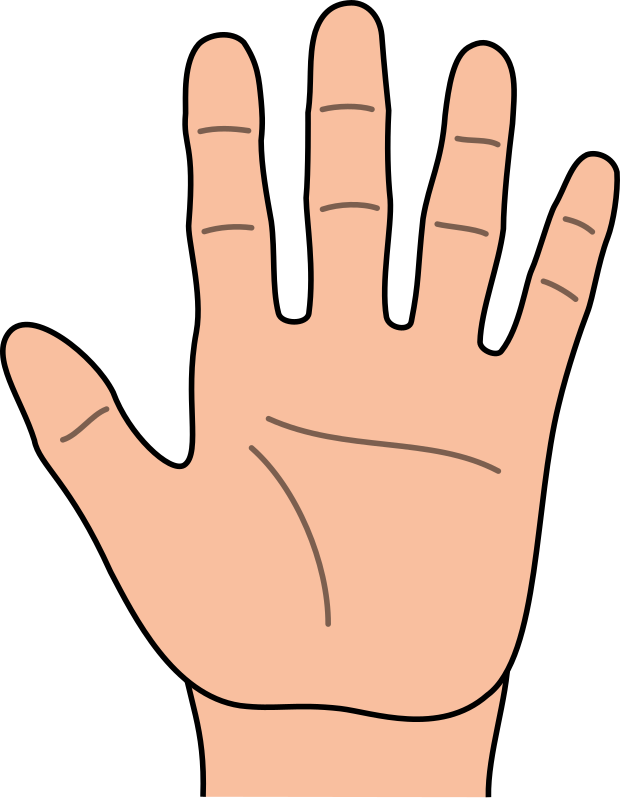
Put your fingers on your wrist like in the image below. You may be able to feel a thumping there! What you are feeling is a vein, as your heart pumps blood to your hand.
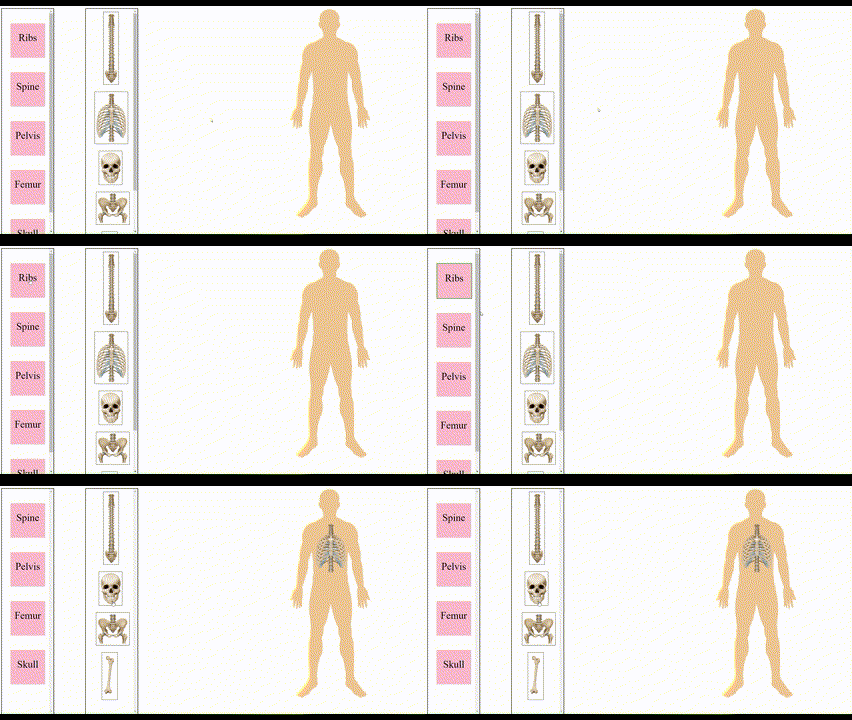
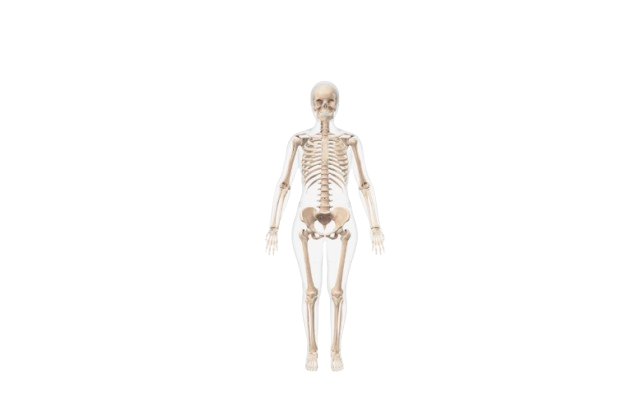
Your skeleton is like the frame of a house. It's made up of bones that give your body its shape and support. Just like how a house needs a strong frame, your body needs strong bones to stand tall and move around. Keep scrolling to learn more!
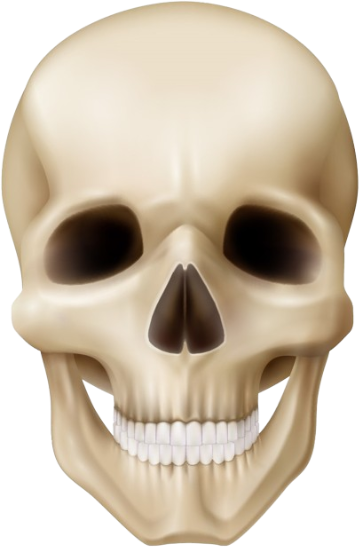
Skull Feel that hard part in your head? That's your skull! It protects your brain.
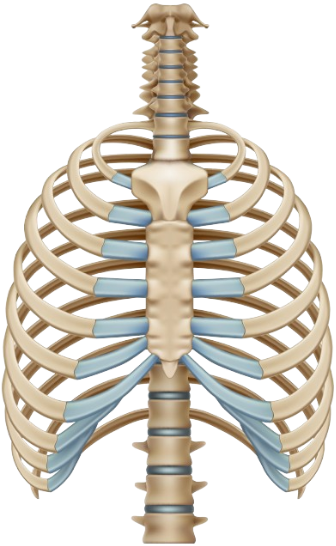
Ribs Feel the side of your body, between your chest and belly. That hard wall you feel is one of your 24 ribs! Your ribcage (the group of ribs) protects your organs like your heart and lungs.
Femurs You probably can't feel your femurs under all the skin and muscle in your leg, so just look at the image! Your femur is the bone in your upper leg. It's what holds you up when you stand!
Spine Feel your back. Your spine sits in the center, and holds you upright. It also protects your spinal cord, which is what helps your brain and the rest of the body talk to each other!
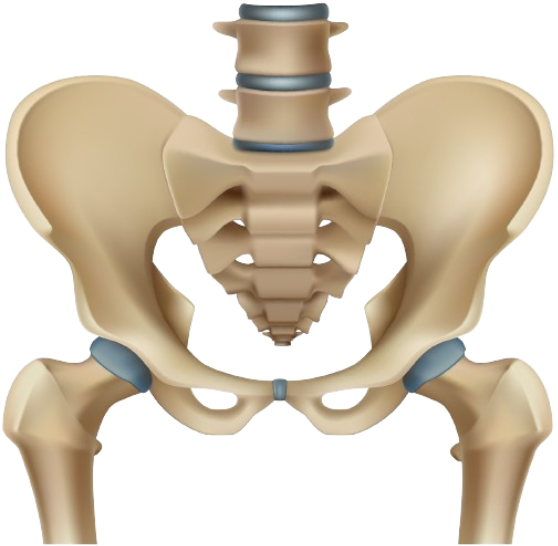
Pelvis Take a look at the image. The pelvis is what connects your leg bones to the rest of your skeleton!
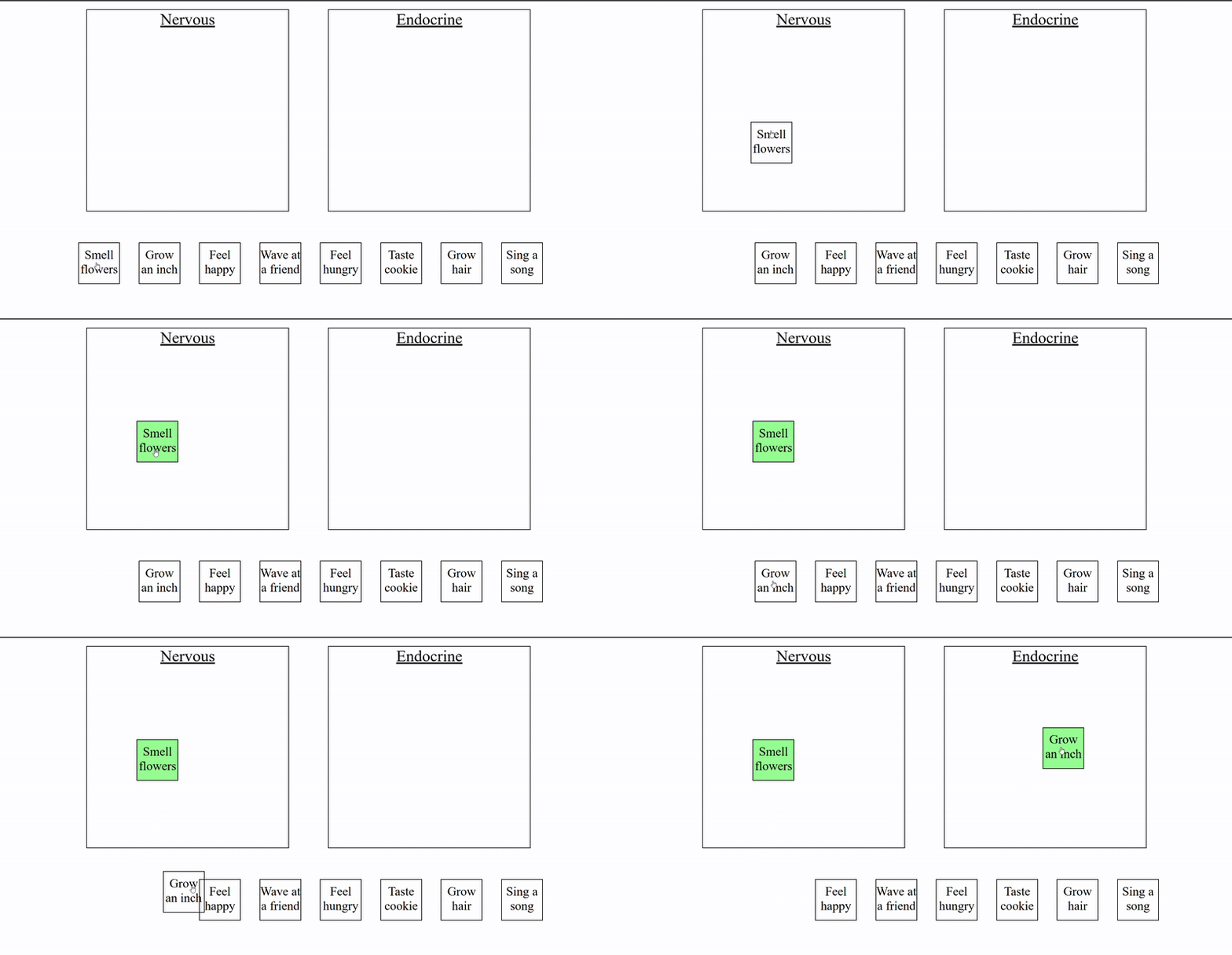
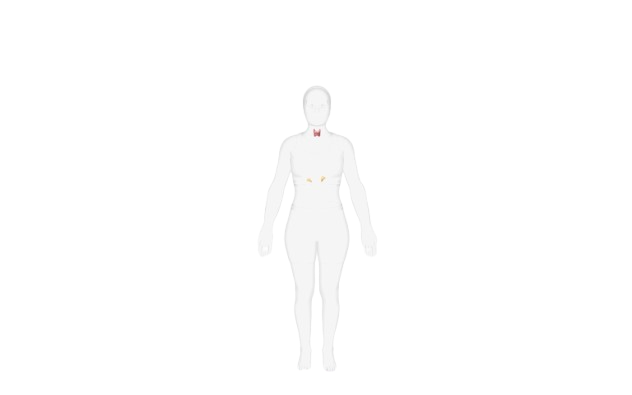
The endocrine is similar to the nervous system, as it sends messages throughout the body. Unlike the nervous system, however, these messages (known as hormones) don't go to and from the brain. Instead, they go directly from their place of creation (which are called glands) to the place they are needed. Hormones control your mood, growth, energy, and much more!
Think of the nervous system as a super-fast messenger system. It's like a network of wires (nerves) that send messages between your brain and the rest of your body. This helps you move, feel, and even think! When you want to smell something, your brain sends a signal to your nose. If you want to pick something up, your brain sends a signal to your arm muscles.
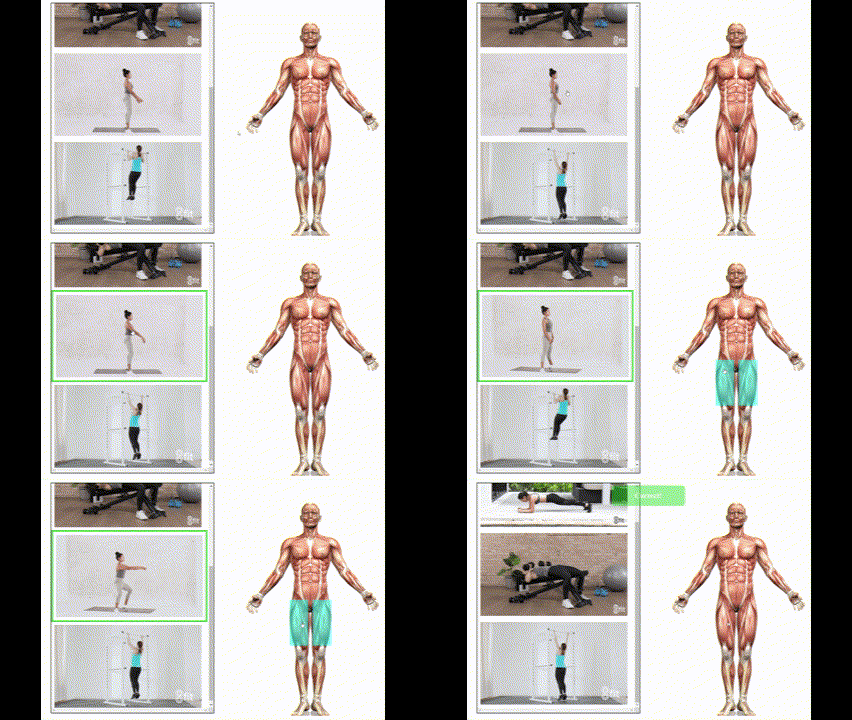
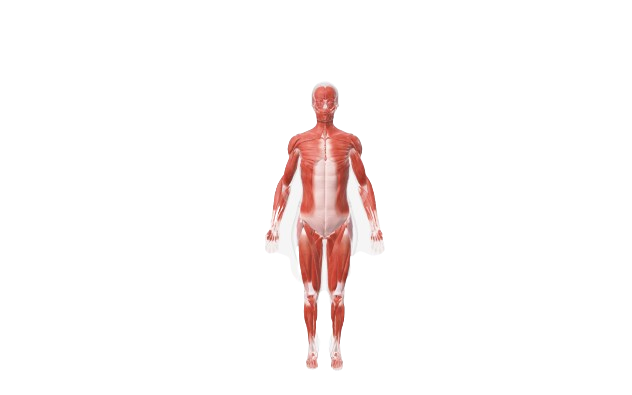
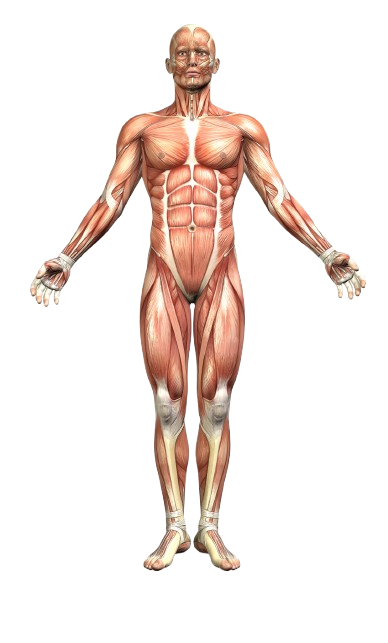
Your muscles are like rubber bands that help you move. When you want to run, jump, or even smile, it's your muscles doing the work! Hover over the names to learn more, and keep scrolling to see how a muscle works!
Abs Your abdominal muscles (aka your abs) are what support your body position. They are used whenever you sit, stand, or move in any way. Most people have six, but it's possible to have two, four, or even twelve!
Pecs Your pectorial muscles (aka pecs) move your arms around. Whenever you move your arms in any way, you're using your pectorial muscles!
Quadriceps You use your quadriceps whenever you use your legs. Walking, jumping, bending your knees... you wouldn't be able to do any of these things without your quadriceps!
Biceps You have two biceps, one on each arm. You use these muscles whenever you use your arms, such as lifting, pushing, or pulling something.
This is your arm. The red is your muscle. Click the button to see how it works!
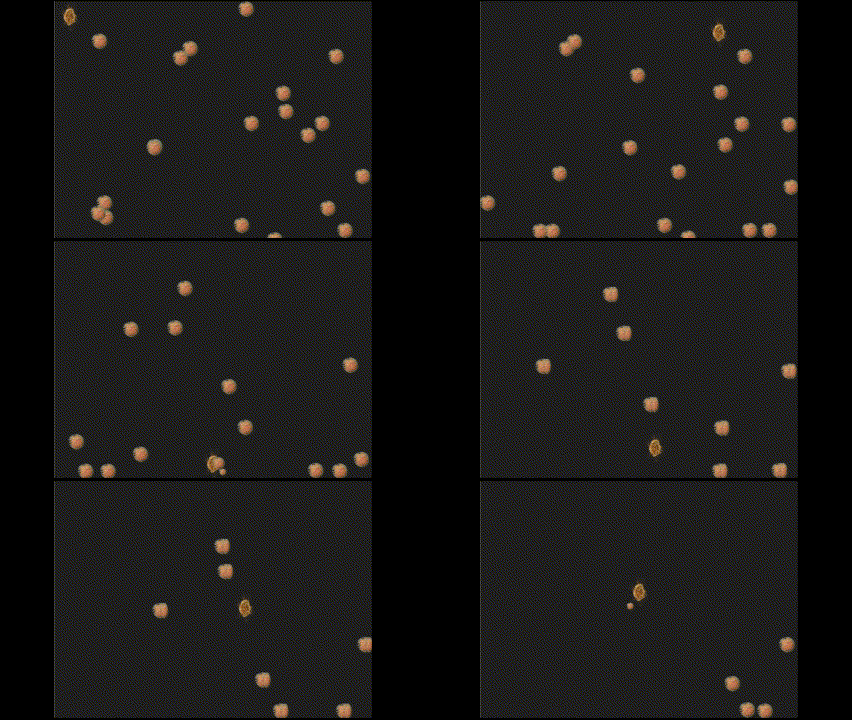
Think of your body like it's a castle. The royal guard is the immune system. It makes sure that enemy forces such as germs or viruses don't make you sick. Part of the royal guard is a team of dragons known as phagocytes (fa-guh-cytes). These "dragons" patrol your body, and when one spots an enemy, it eats it up! The immune system is very important in keeping you healthy.
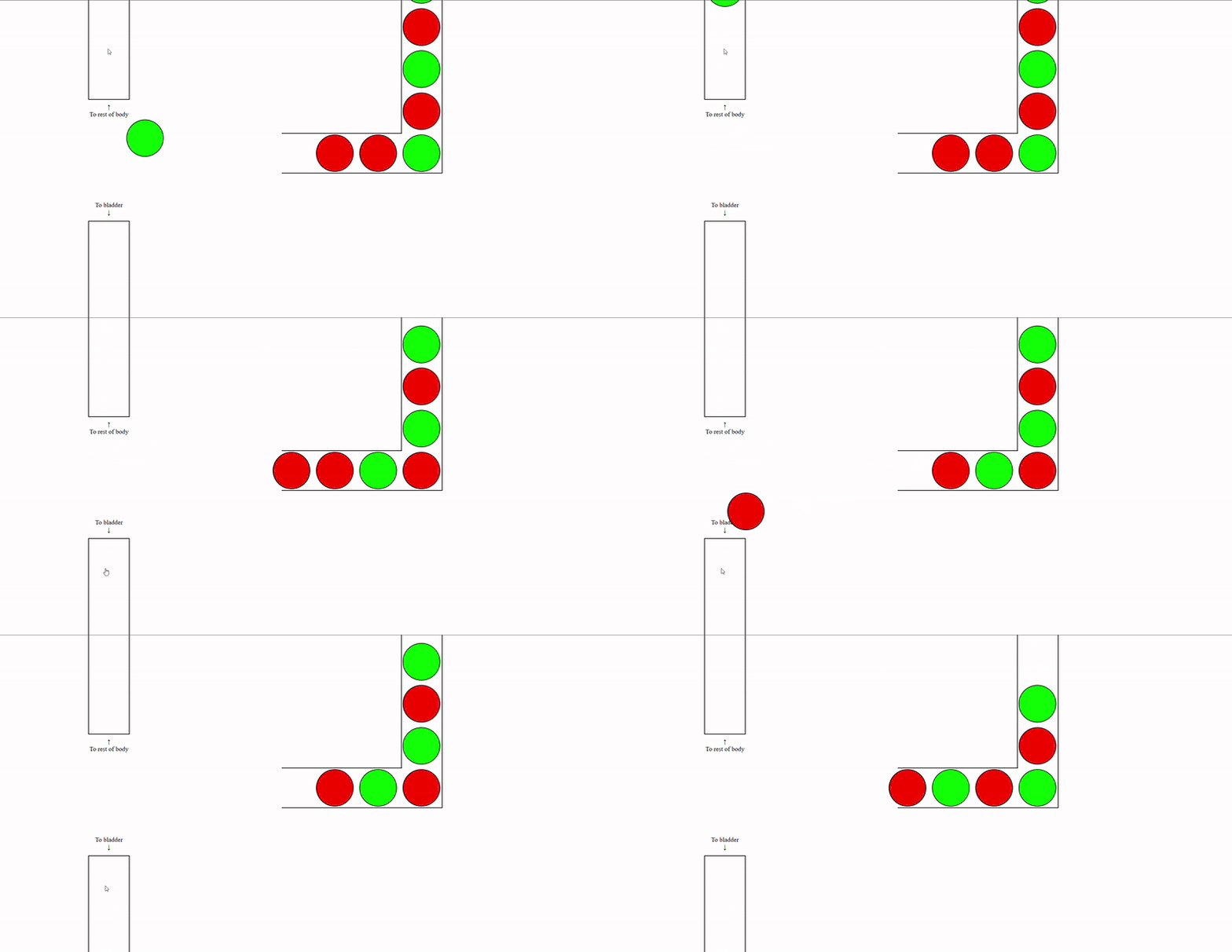
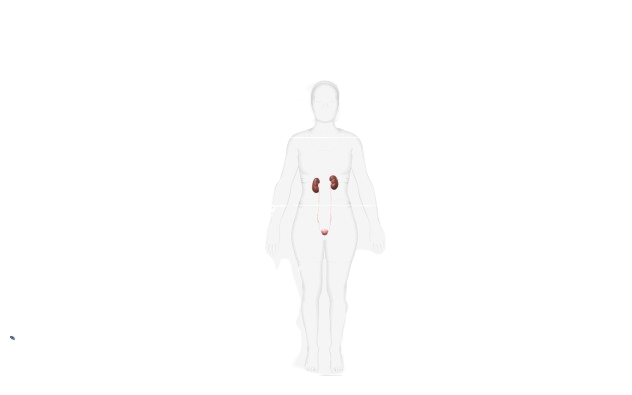
The urinary system is the part of the body that lets you go to the bathroom! It may seem silly, but this is actually a very important system. Picture it like the cleaning crew of your body. It has these bean-shaped organs called kidneys that filter out any bad stuff in your body. It sends the clean stuff on its way, and leaves the bad stuff in your bladder. When you go to the bathroom, you're getting rid of all the bad stuff!
You may think "integumentary? What part of the body could this possibly be?" It's actually your skin! Your skin has a lot of important functions:
Protection - Your skin acts as a protective layer for your entire body. It prevents little things, like bacteria or germs, from intruding. It also protects against physical injuries!
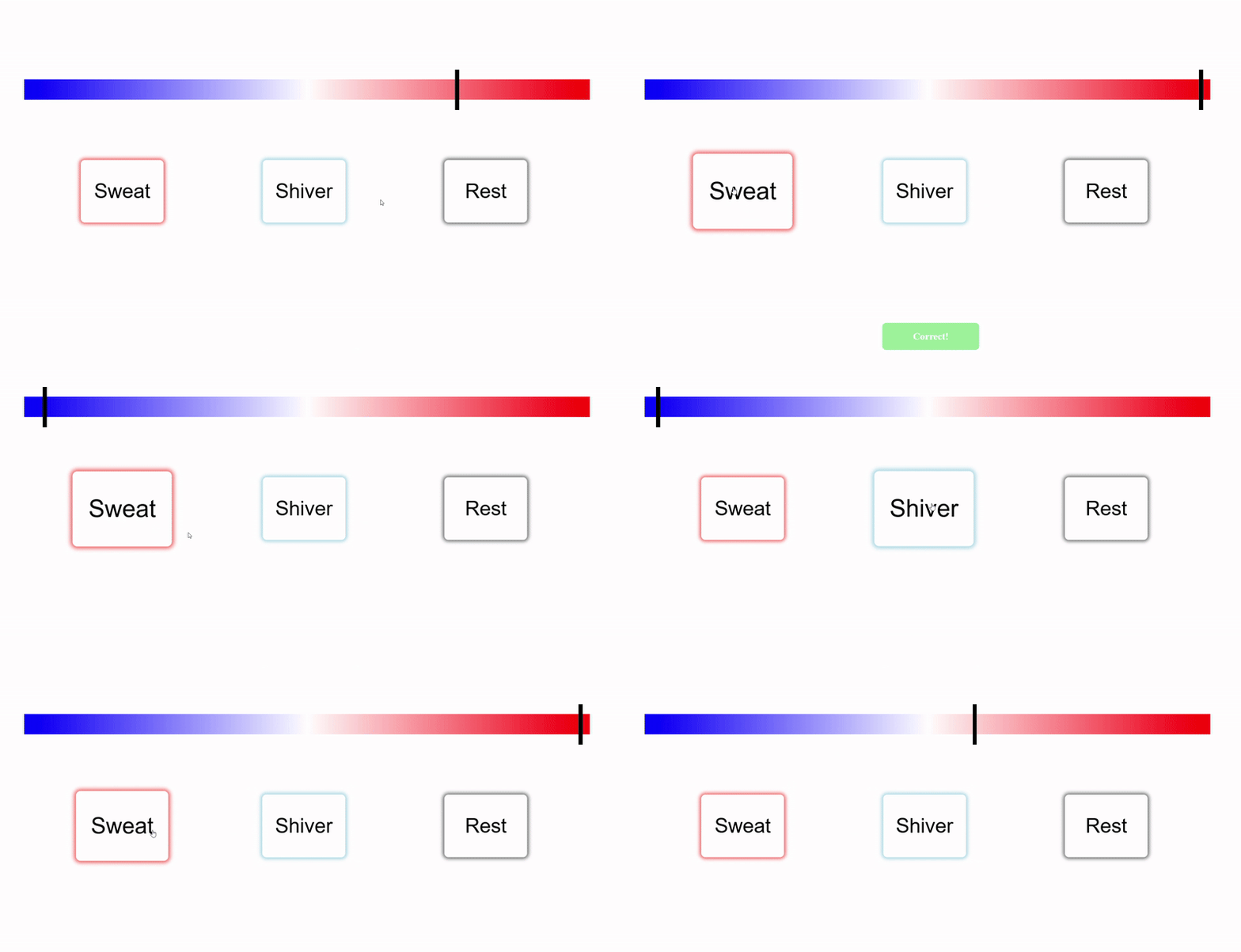
Temperature - Have you noticed that when you're cold, you shiver, and when you're hot, you sweat? That's the skin doing its job keeping your body at a safe temperature!
Touch - This is an obvious one. When you touch something, your skin feels it!
Here's a fun fact: Did you know that the skin is an organ? Not only that, it's the largest organ of the body!




 Warning: Not all of these games are finished.